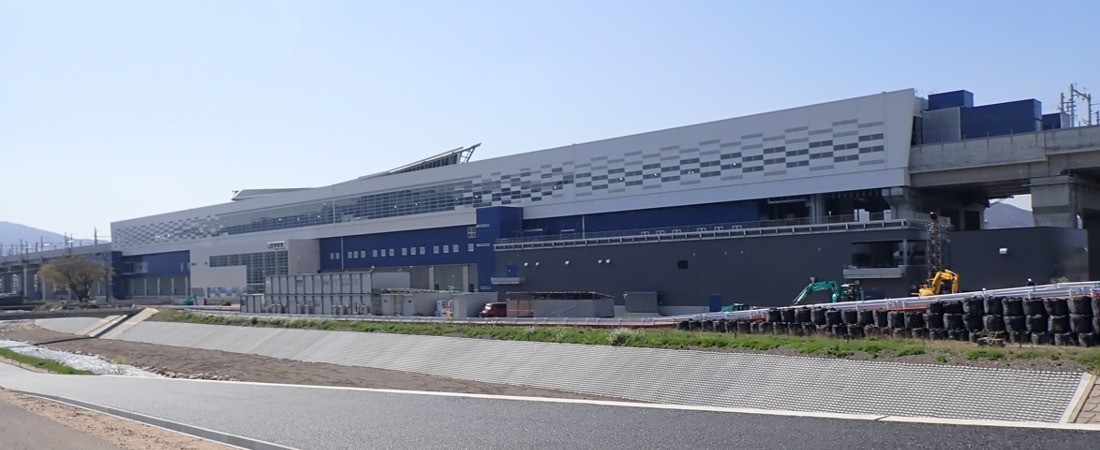
Tsuruga Station
Tsuruga Station, opened in March 1882, is one of the earliest stations built in the Hokuriku region. Before the war, it functioned as a transit point for continental routes departing from Tsuruga Port, and after the war, as a key junction connecting Hokuriku with the Keihanshin and Tokai regions. With the opening of the Hokuriku Shinkansen in 2024, it is developing as the gateway to Fukui Prefecture.
Kehi Jingu Shrine
Enshrined in the center of Tsuruga City, this ancient shrine is mentioned in the "Kojiki" and "Nihon Shoki" and is affectionately known as "Kei-san." A vermilion O-Torii (Grand Gate), an Important Cultural Property of Japan, towers over the approach, and the "Shisha-no-miya" (Four Shrines) stand around the main hall. During the "Tsuruga Festival" every September, the grounds are lined with stalls and visited by many people.
Details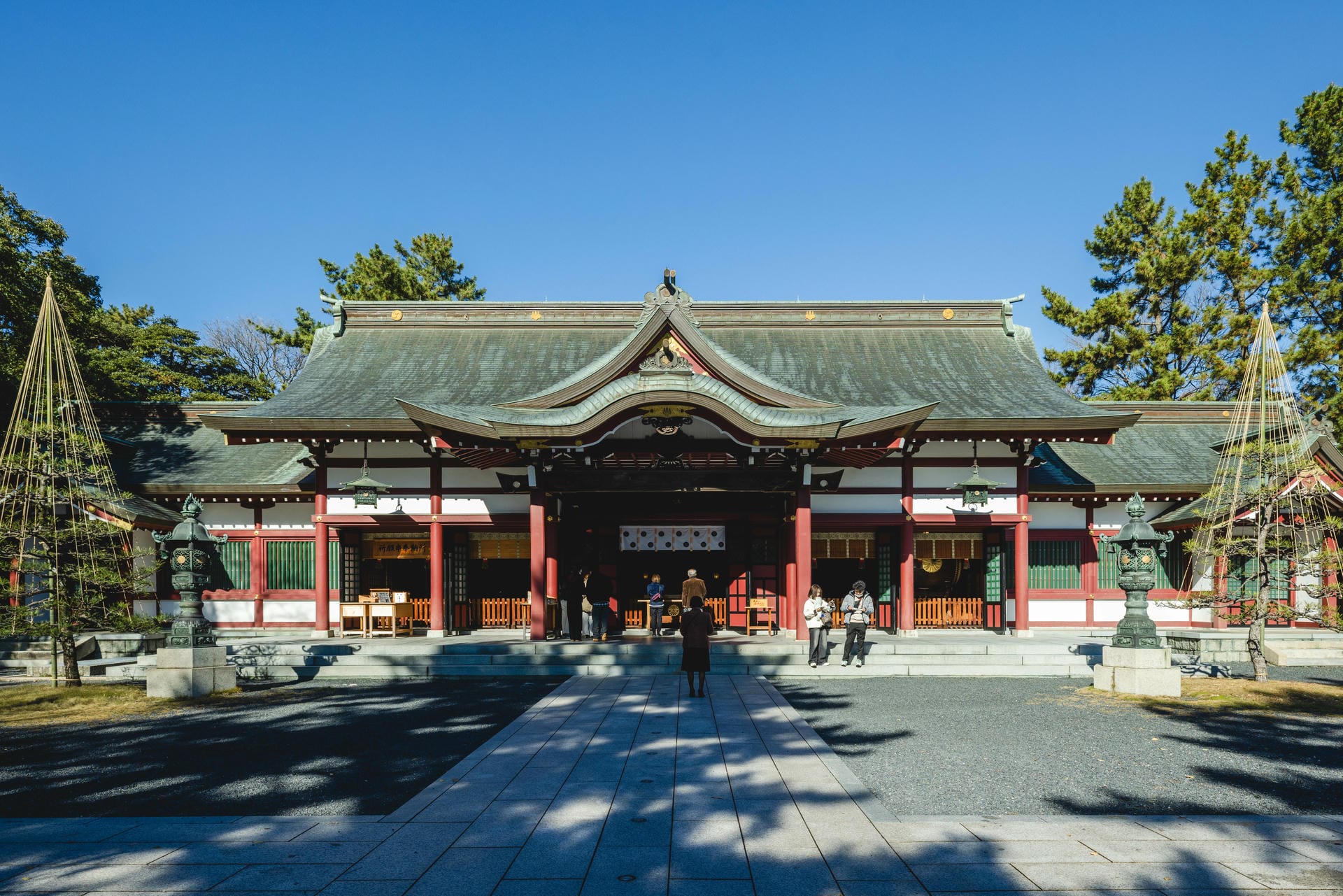
Tsuruga Aka Renga (Diorama and Restaurants)
The two "Red Brick Warehouses" lined up on the east side of Tsuruga Port were built in 1905, designed by foreign engineers as storage for imported petroleum. Currently, the North Building serves as a "Diorama Hall" for railways and the port, and the South Building serves as a "Restaurant Hall" where you can dine while enjoying the red brick space, offering the charms of Tsuruga.
Details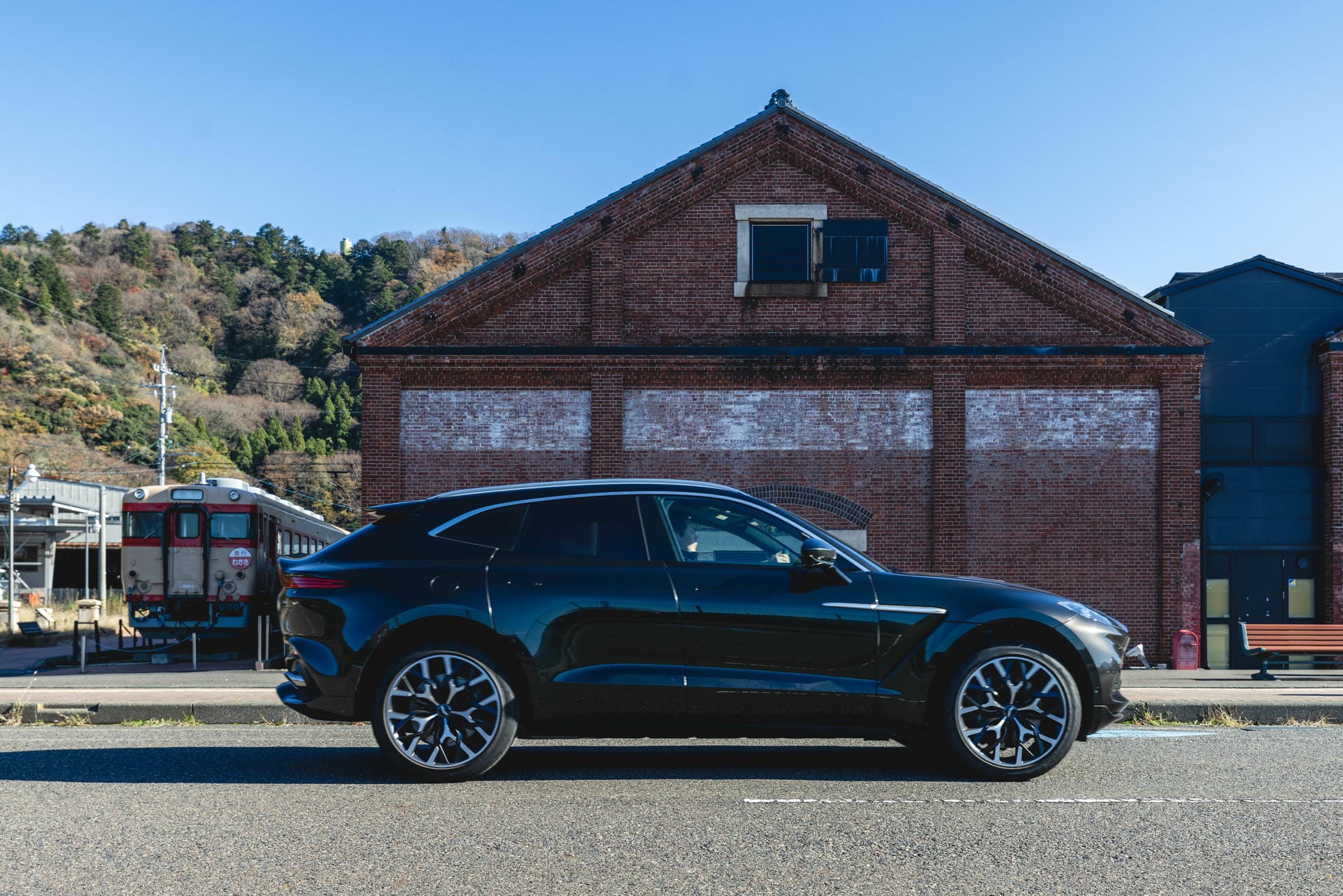
Kehi no Matsubara (Pine Tree Park)
This scenic spot of white sand and green pines spreads over a length of about 1km, occupying the western half of the innermost part of Tsuruga Bay. Along with Miho no Matsubara in Shizuoka Prefecture and Niji no Matsubara in Saga Prefecture, it is counted as one of Japan's Three Great Pine Groves. Red pines and black pines grow thickly, and it is designated as a Place of Scenic Beauty by the country. In summer, it bustles as a venue for sea bathing, fireworks festivals, and floating lantern ceremonies.
Details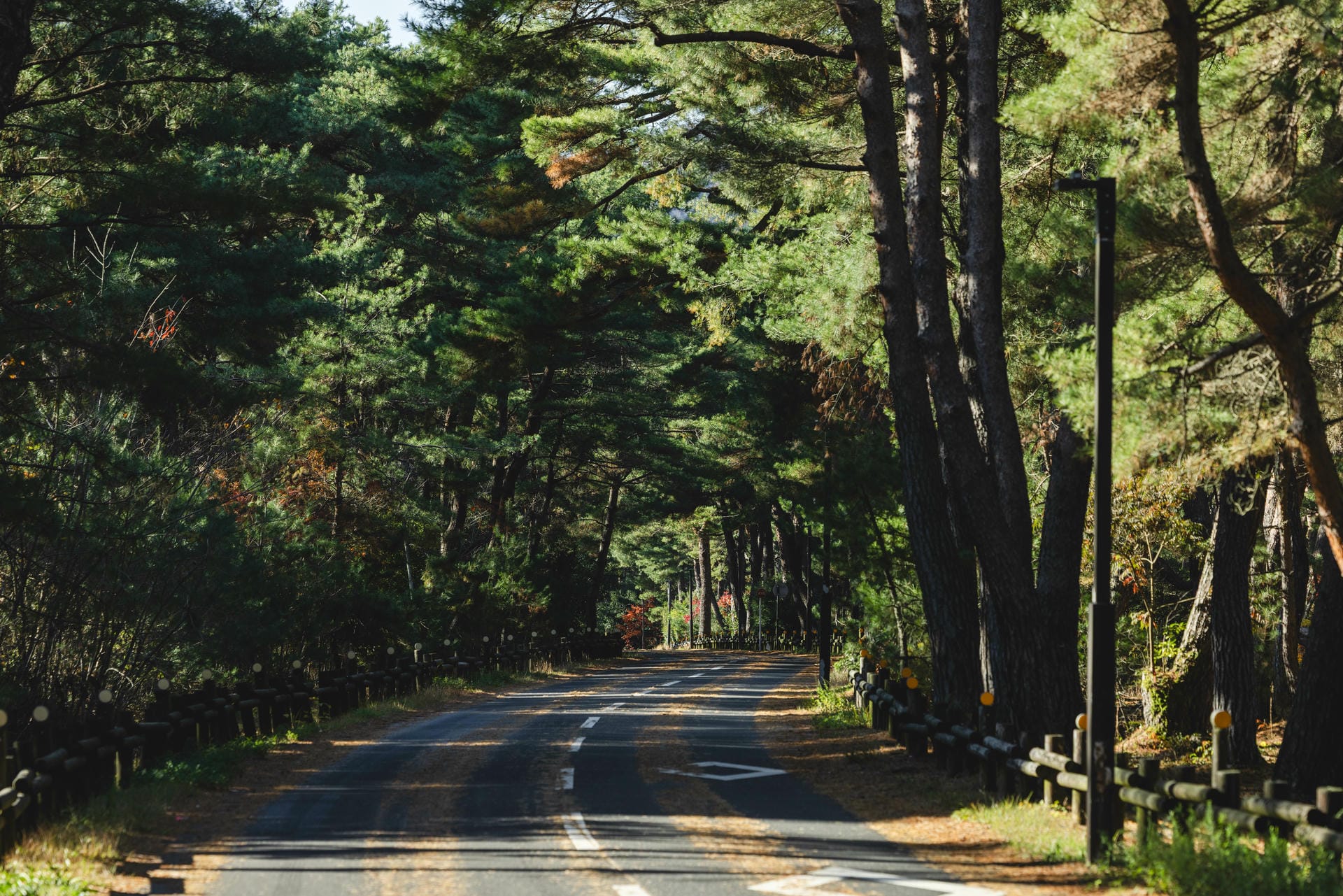
Fukui Prefectural Varve Museum
This is a rare museum in the world that exhibits approximately 70,000 years of "varves" (striped geological layers) deposited at the bottom of Lake Suigetsu, one of the Mikatagoko (Five Lakes of Mikata). It is located within "Jomon Roman Park," which also features the Wakasa Mikata Jomon Museum, the outdoor stage Jomon Colosseum, and Jomon Hiroba (Square) where pit dwellings are reproduced.
Details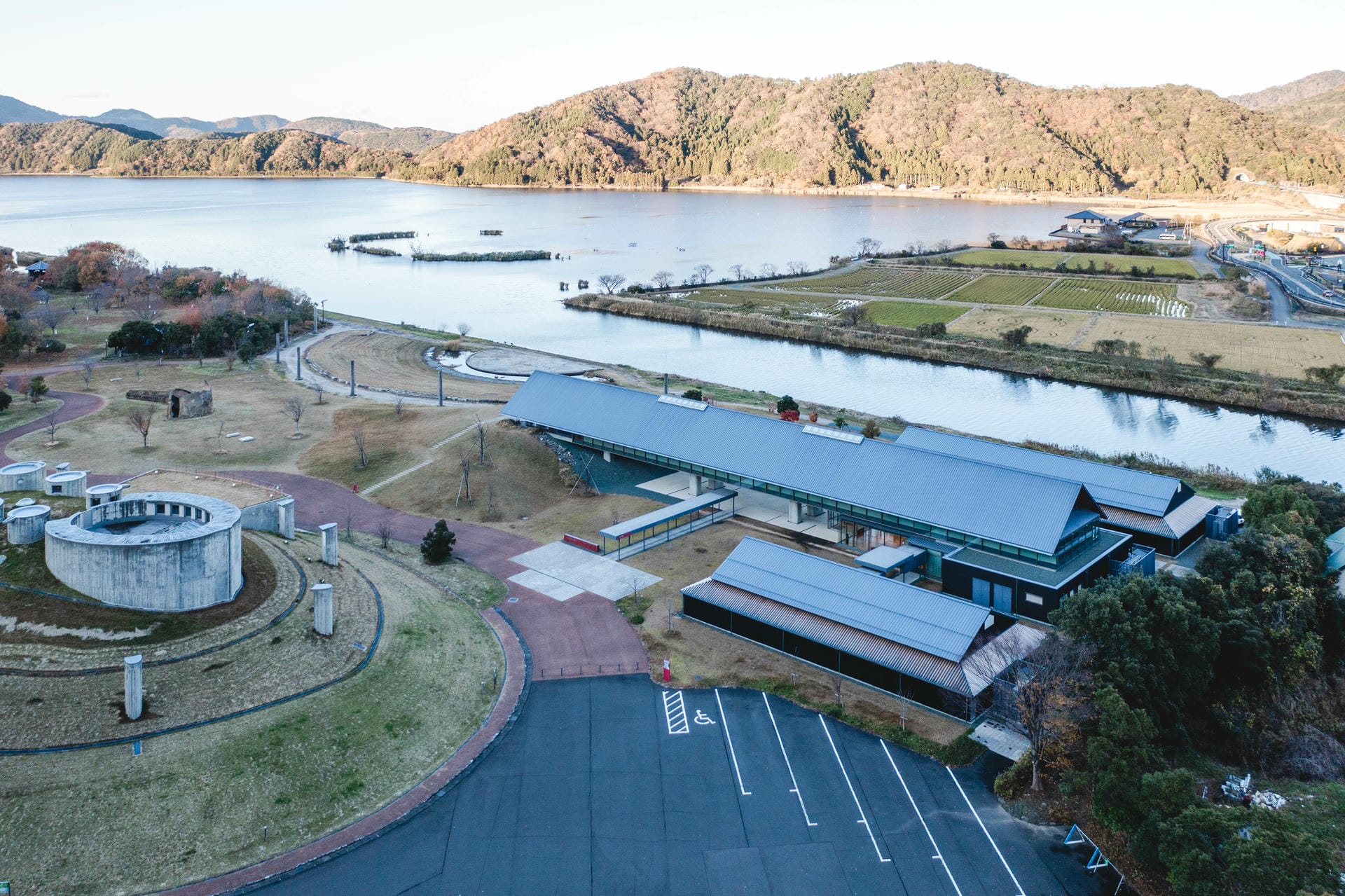
Unagi Tansui
Even within the Wakasa region, which is blessed with seafood, Mikatagoko (Five Lakes of Mikata) is a treasure trove of ingredients. Among them, the natural eel grown eating lugworms and long-armed shrimp in Lake Mikata is exquisite. The "Kuchiboso Ao-unagi" (Narrow-mouthed Blue Eel), which has a faintly blue-tinted surface and a narrowly pointed mouth, is called a phantom eel. You can enjoy eels caught by the owner himself who goes out fishing.
Details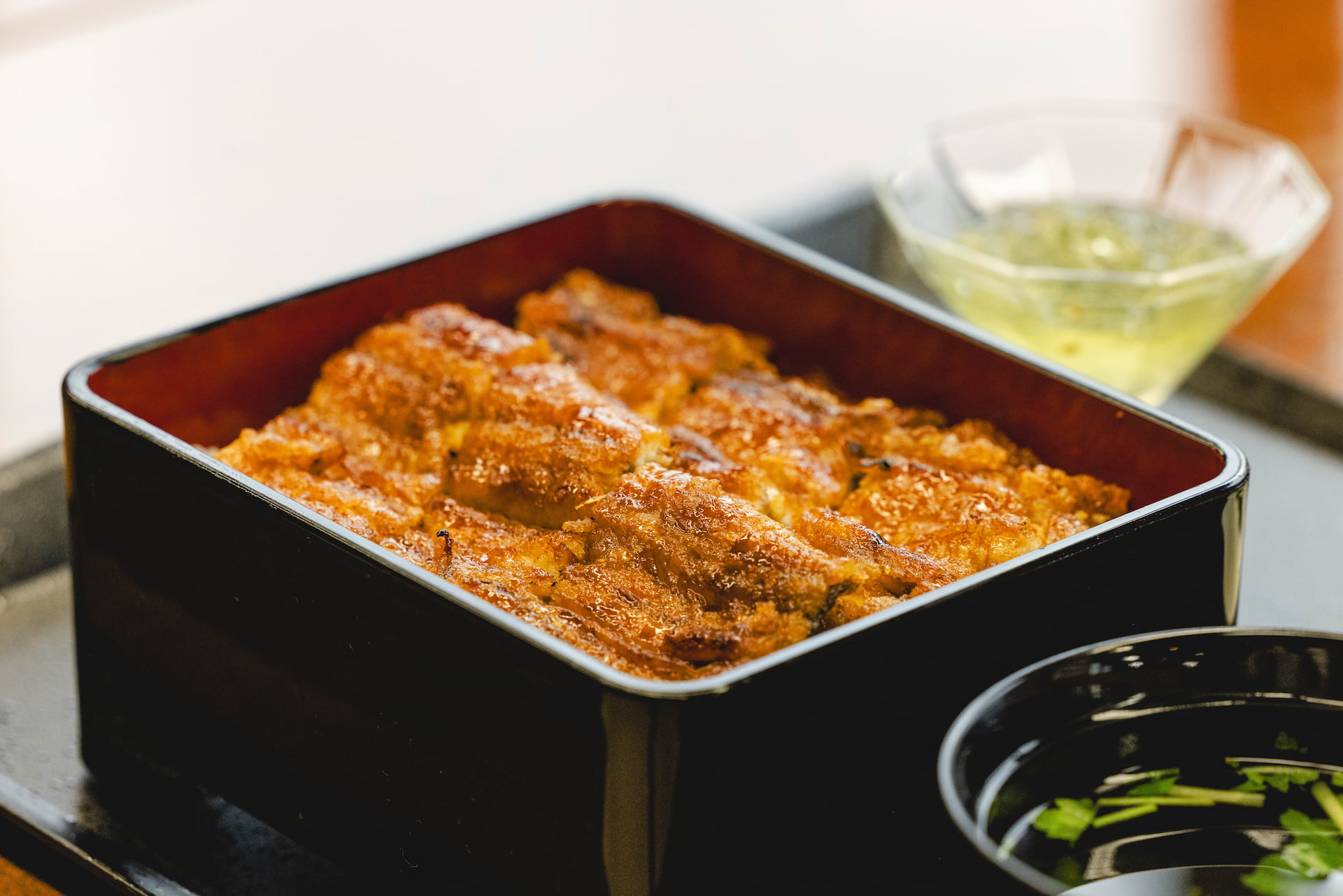
Kumagawa-juku Historic Post Town
Kumagawa-juku, which prospered as a post town on the "Saba Kaido" (Wakasa Kaido) connecting Wakasa and Kyoto in the Edo period, is a spot that is rare nationwide where the traditional cityscape still stands today. Besides being able to drive through the town, spots for gourmet food, sweets, and souvenirs are also plentiful.
Details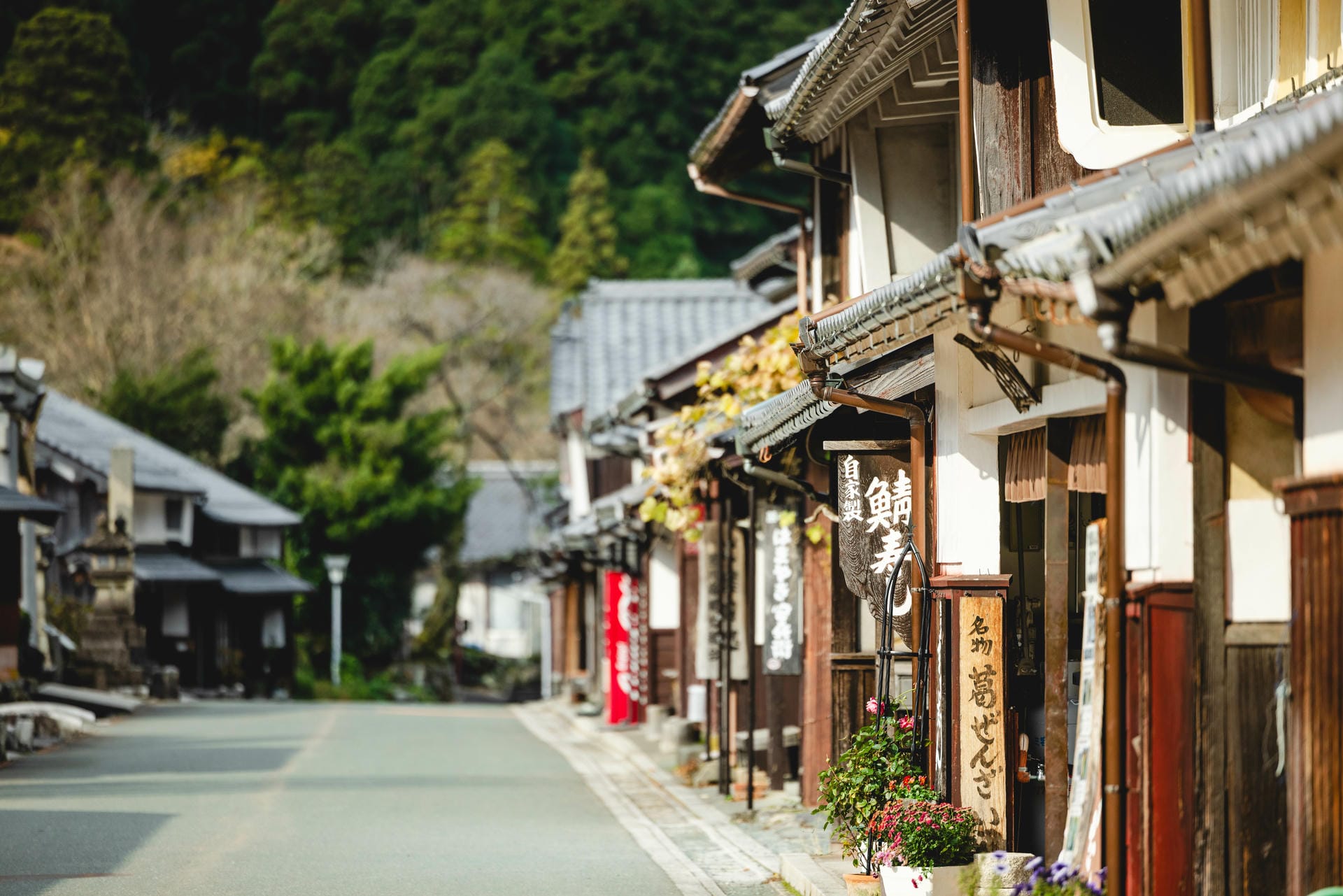
Uriwarinotaki
Uriwarinotaki (Breaking Waterfall) is a waterfall selected for the "100 Best Waters," named from the legend that the water temperature does not change throughout the year and is so cold that a melon soaked in it would crack even in summer. Proceeding into the mysterious forest, light shines through the trees, and a waterfall with abundant water appears in a fantastic scene where moss grows on the rocks.
Details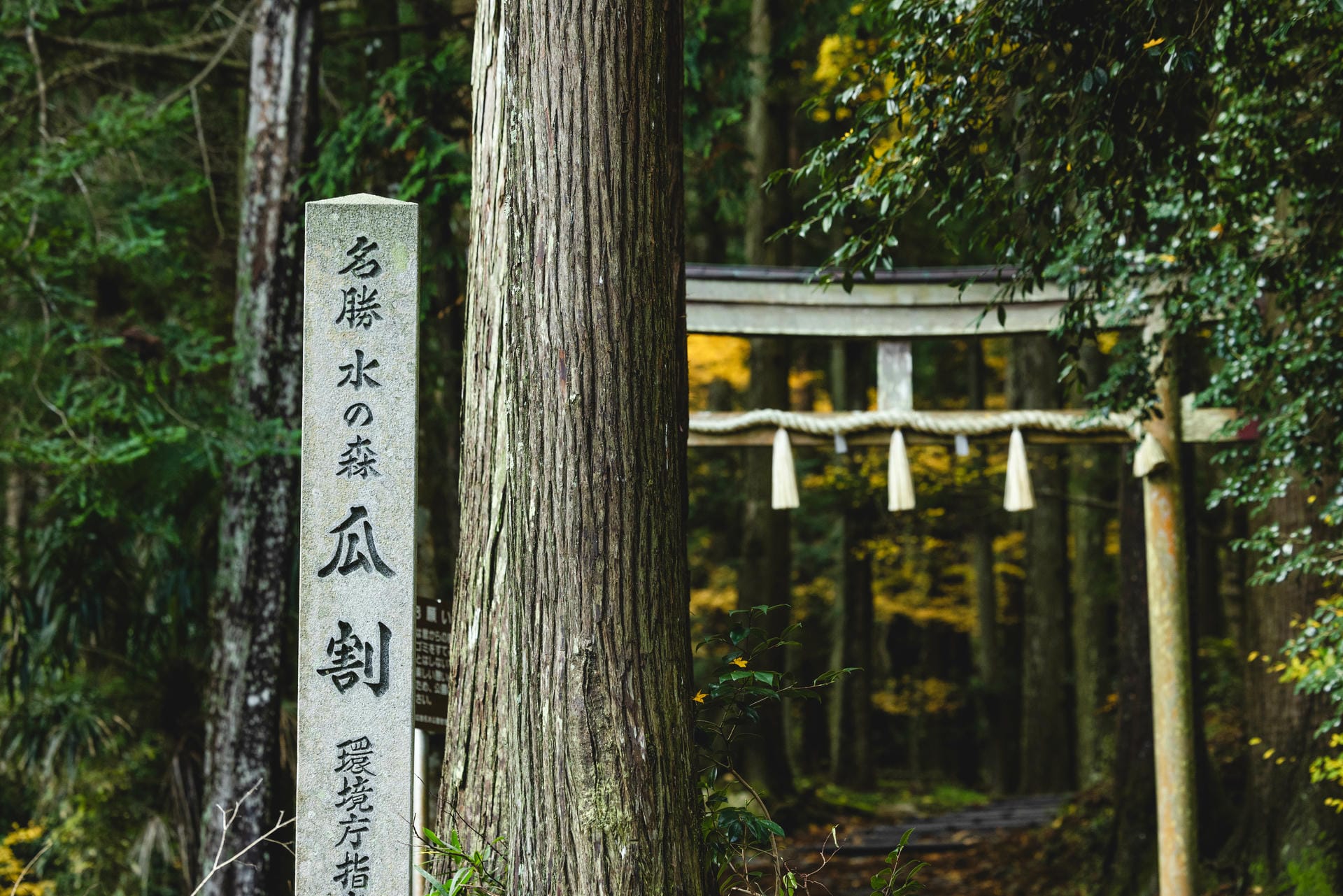
Mikatagoko Rainbow Line
The Rainbow Line, overlooking both Mikatagoko (Five Lakes of Mikata) and Wakasa Bay, is a winding road where you can fully enjoy the fun of driving with various large and small corners and ups and downs. Observatories installed at various points offer superb views. Furthermore, a 360-degree large panorama extends from the terrace at the summit of Mt. Baijodake.
Details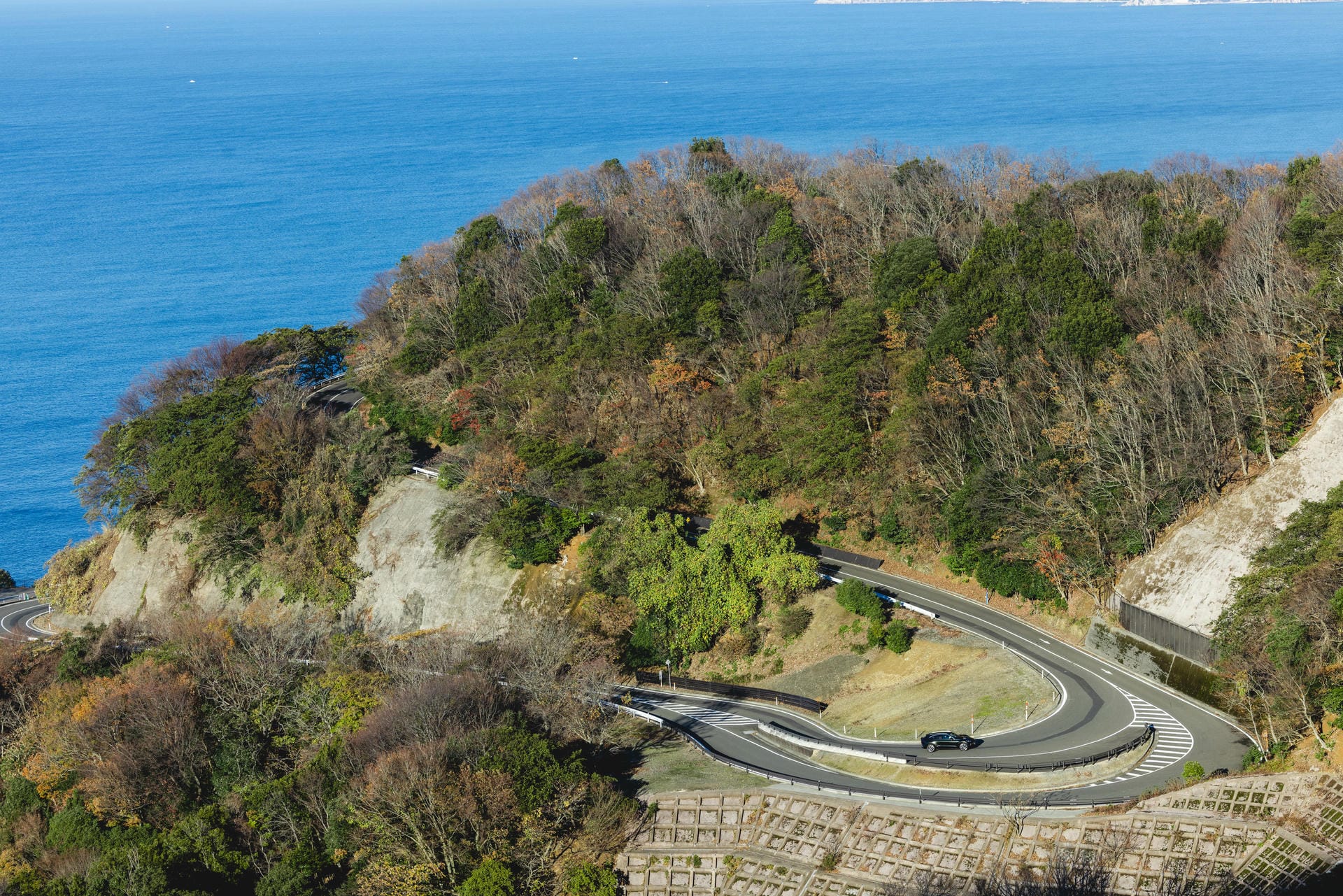
Kaiko no Yado Namihanaro
A private space with only 6 rooms, all of which are ocean view with terraces where the Sea of Japan spreads before your eyes. "Namihanaro" is a hideaway-like inn where you can fully enjoy the nature of Wakasa. Guest rooms are twin Western-style rooms and Japanese-style rooms using abundant solid wood. For meals, Kaiseki cuisine using seafood from Wakasa Bay and carefully selected seasonal ingredients is served.
Details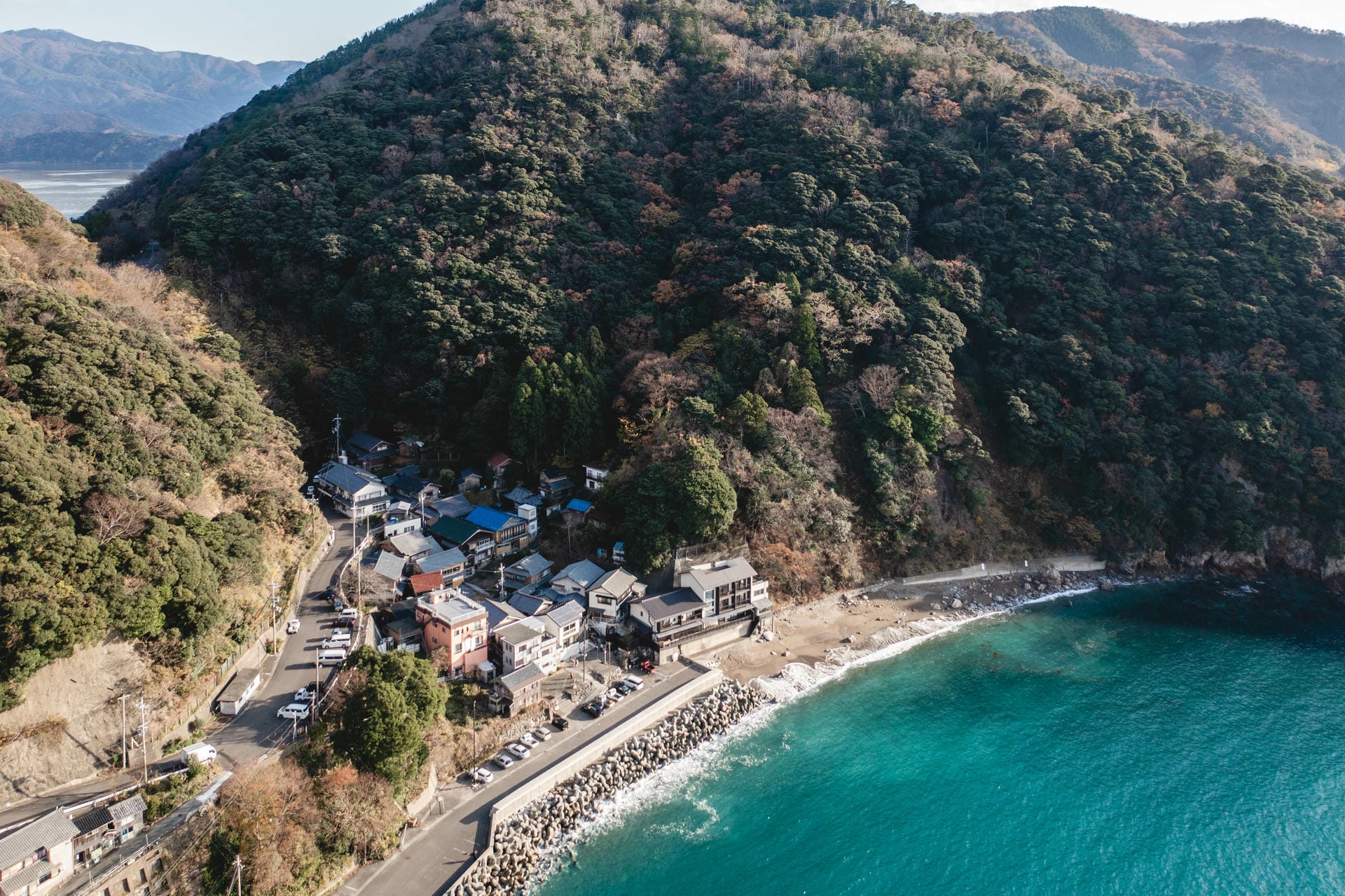
Angel Line
The Angel Line, heading to the summit of Mt. Kusuyagadake, is a driving road where you can enjoy the superb view of Wakasa Bay. Since the surroundings are not turned into a tourist site and diverse corners continue for a moderate distance, it is a route where you can enjoy a comfortable drive. At dusk on sunny days, you can enjoy the sight of the setting sun dyeing the sea surface.
Details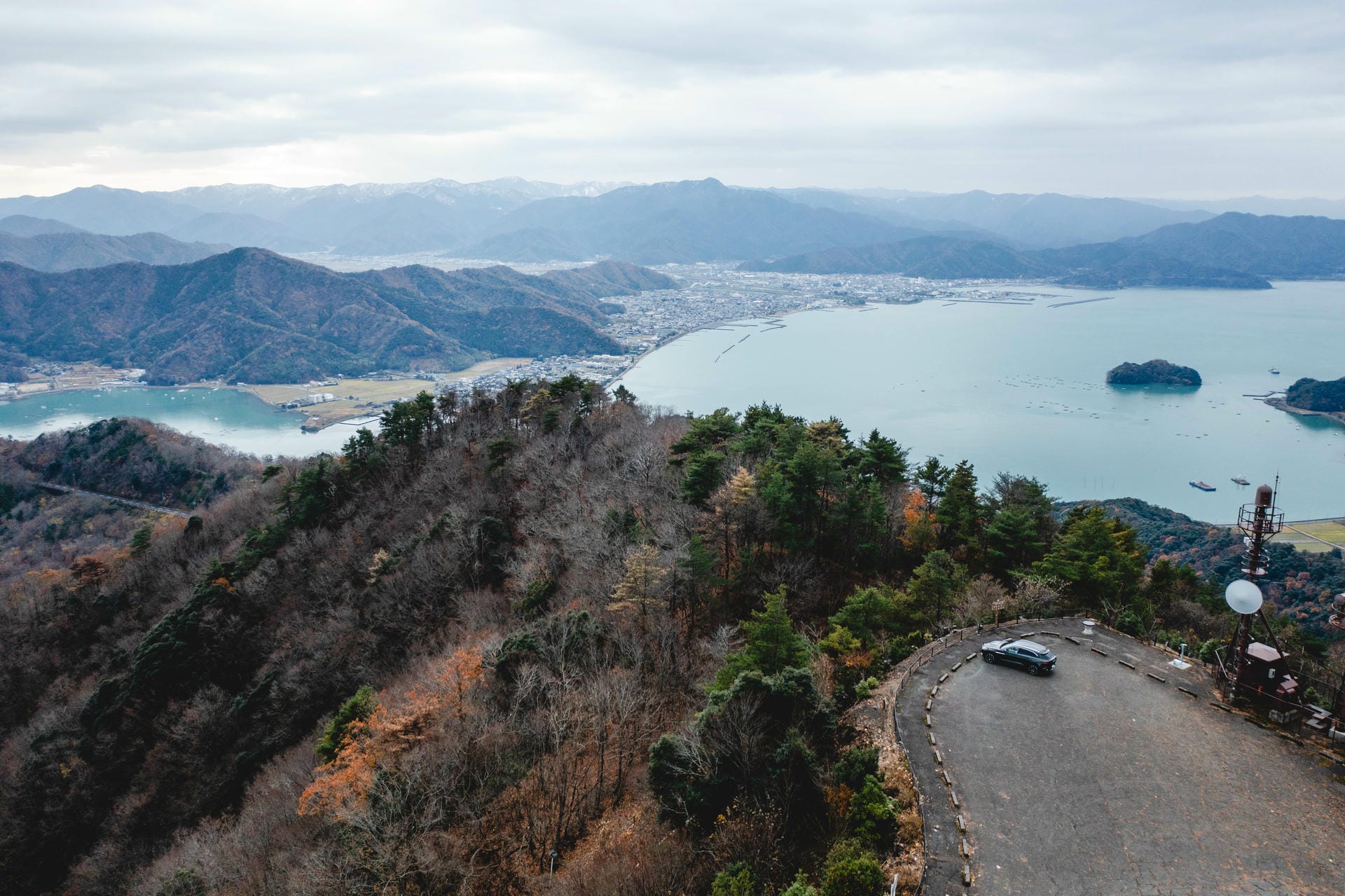
Iseya
A long-established Japanese confectionery shop with over 190 years since its founding, their sweets made with clear underground water gushing from 30m underground are exquisite. Kuzu Manju Red Bean Dumplings in summer and Decchi Yokan (steamed bean jelly) in winter are famous specialties, but besides these, diverse Japanese sweets ranging from fresh sweets like Daifuku and pudding to baked goods for gifts are available.
Details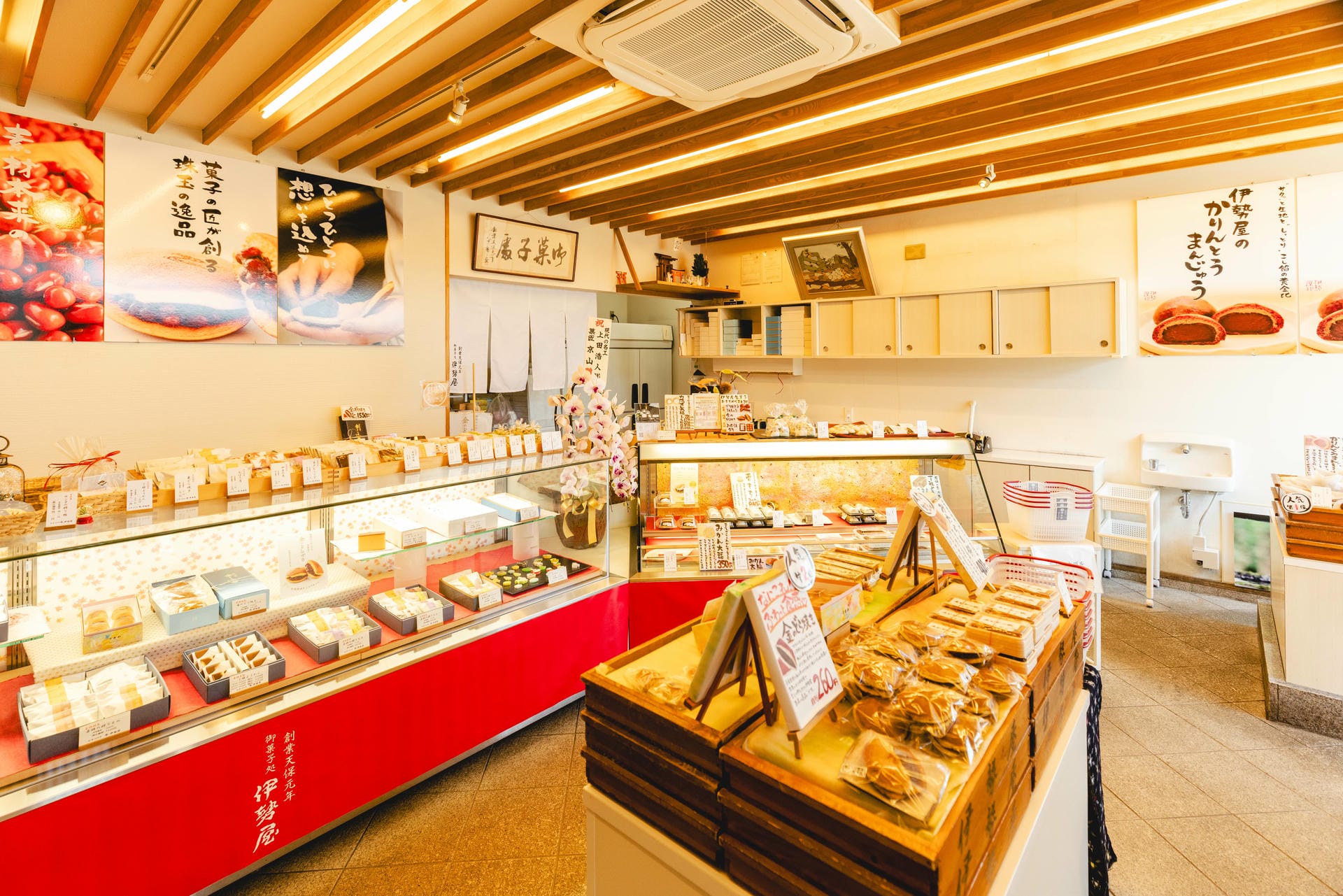
Wakasa Wada Beach
Wakasa Wada Beach boasts some of the best transparency and beauty among Japanese beaches. The white soft sandy beach, blue sea and sky, and the greenery of the mountains seen on the opposite shore create a beautiful contrast. It is a beautiful and highly safe beach representing the Wakasa region, meeting 33 international certification criteria such as water quality and safety.
Details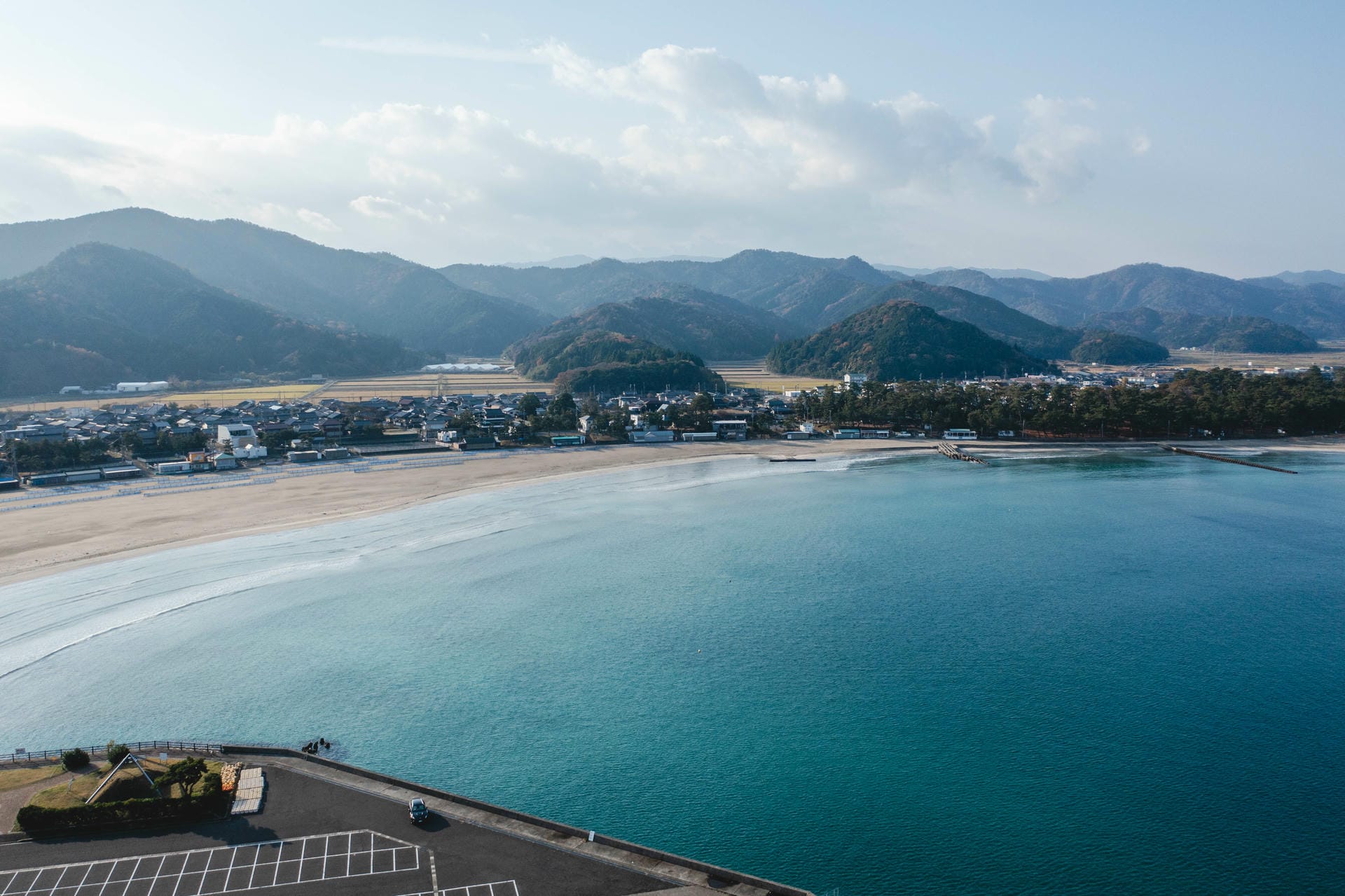
Ishiyamazaka Pass
Prefectural Road 16 (Sakamoto Takayama Line), whose entire section just opened in 2025, is a hidden gem of a driving route that is not yet well known. The view is good because it climbs up an elevation of about 200m at once in a section of about 3km, and the newly improved road including the famous loop bridge can be driven comfortably with gentle curves and gradients.
Details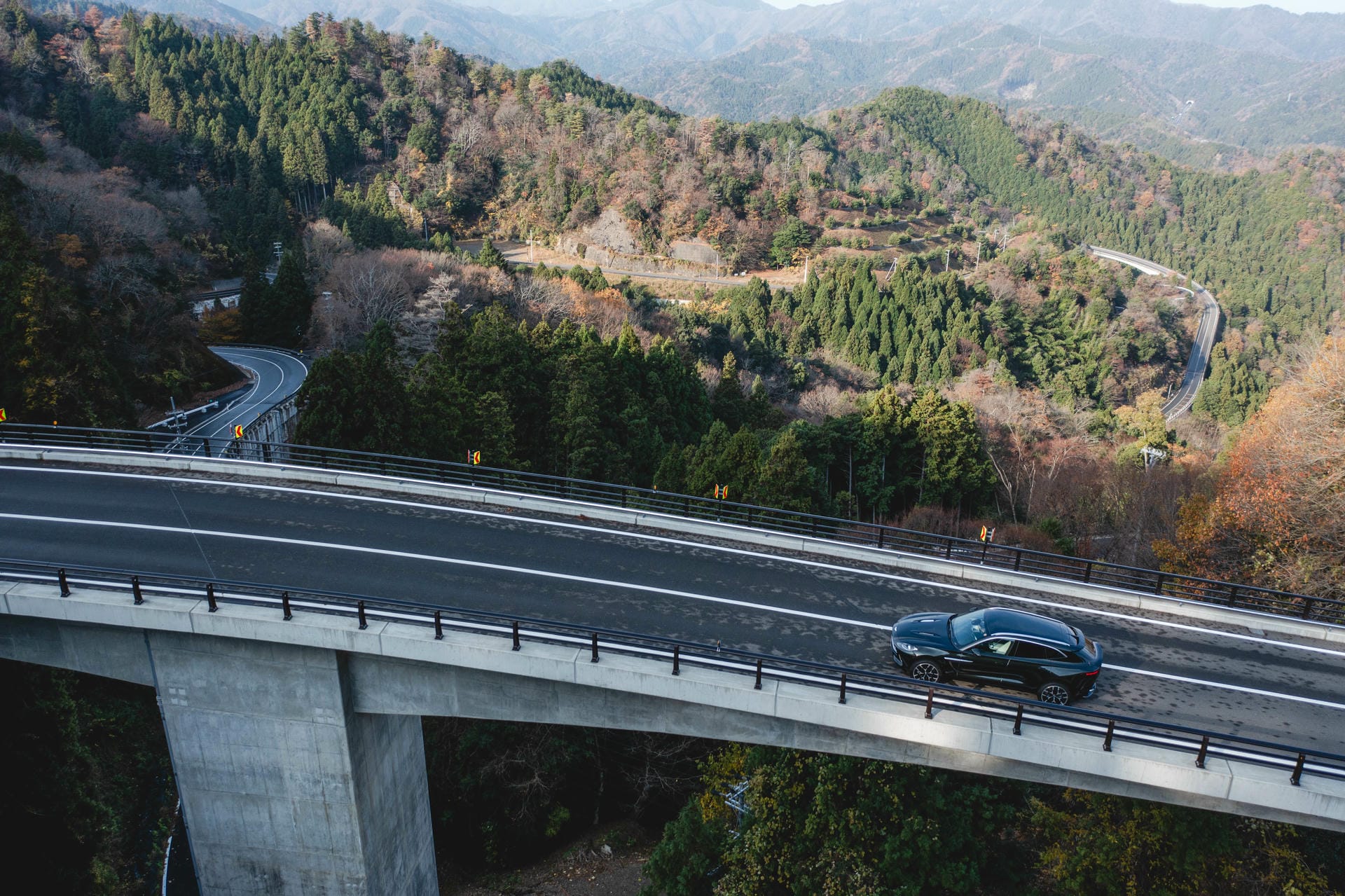
Koyomi Kaikan
It was the current Natasho, Ohi Town where descendants of Abe no Seimei, famous as an Onmyoji (Yin-Yang Master), moved and lived during the Warring States period. The Koyomi Kaikan (Calendar Museum), a museum of "Calendars" and "Astronomy," was built in such a place with a connection. Materials and models related to various fields governed by Onmyoji, such as astronomy, calendar studies, and divination, are exhibited.
Details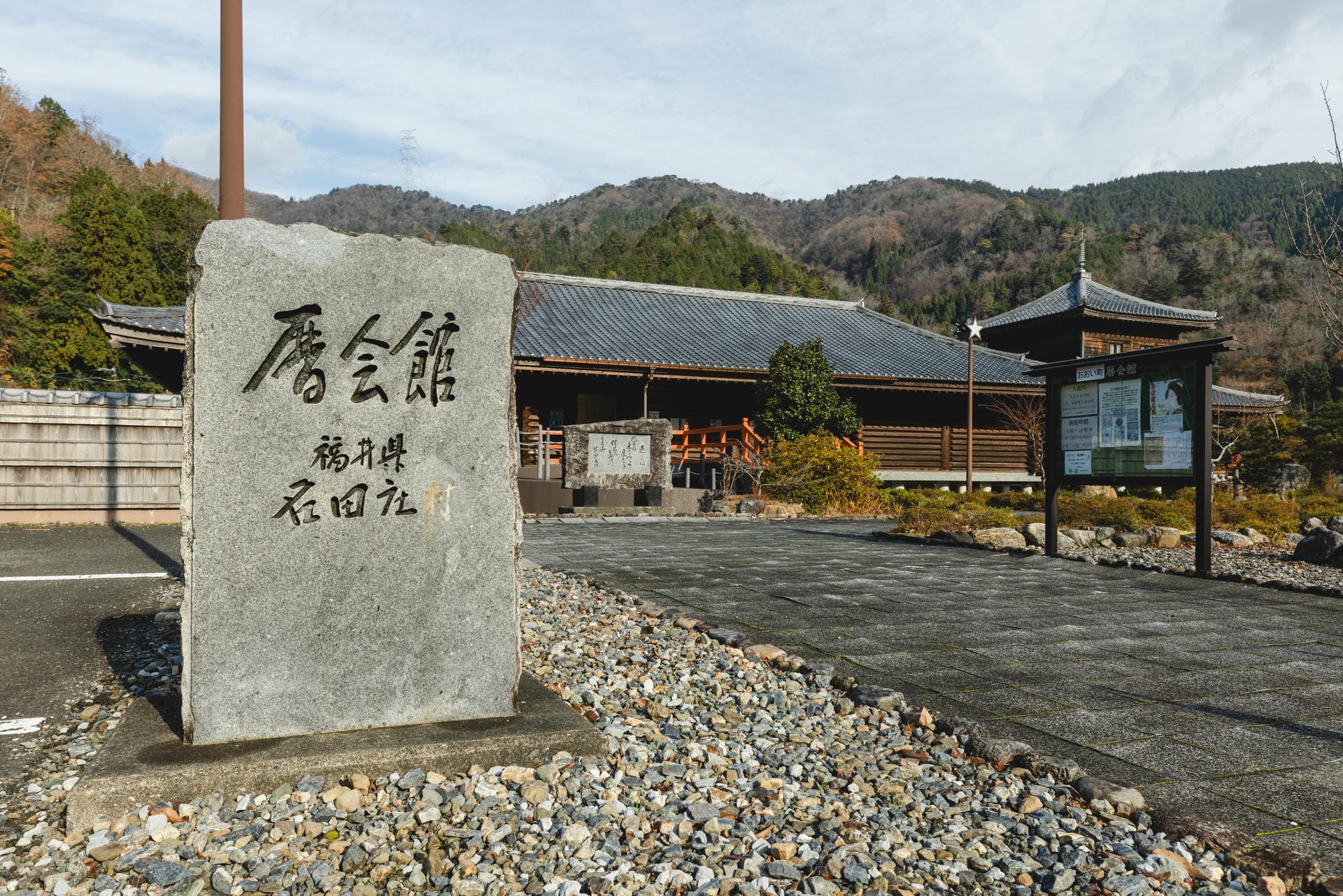
Japanese Cuisine Su
Located in the Mie district of Natasho surrounded by mountains, Japanese Cuisine Su is a Japanese cuisine restaurant opened in 2023 by an owner who trained at "Kikunoi" and insisted on opening a store in his hometown. It brings out the charm of seasonal ingredients procured centered on community connections, such as farmers in the settlement and local fishermen and hunters, with careful cooking.
Details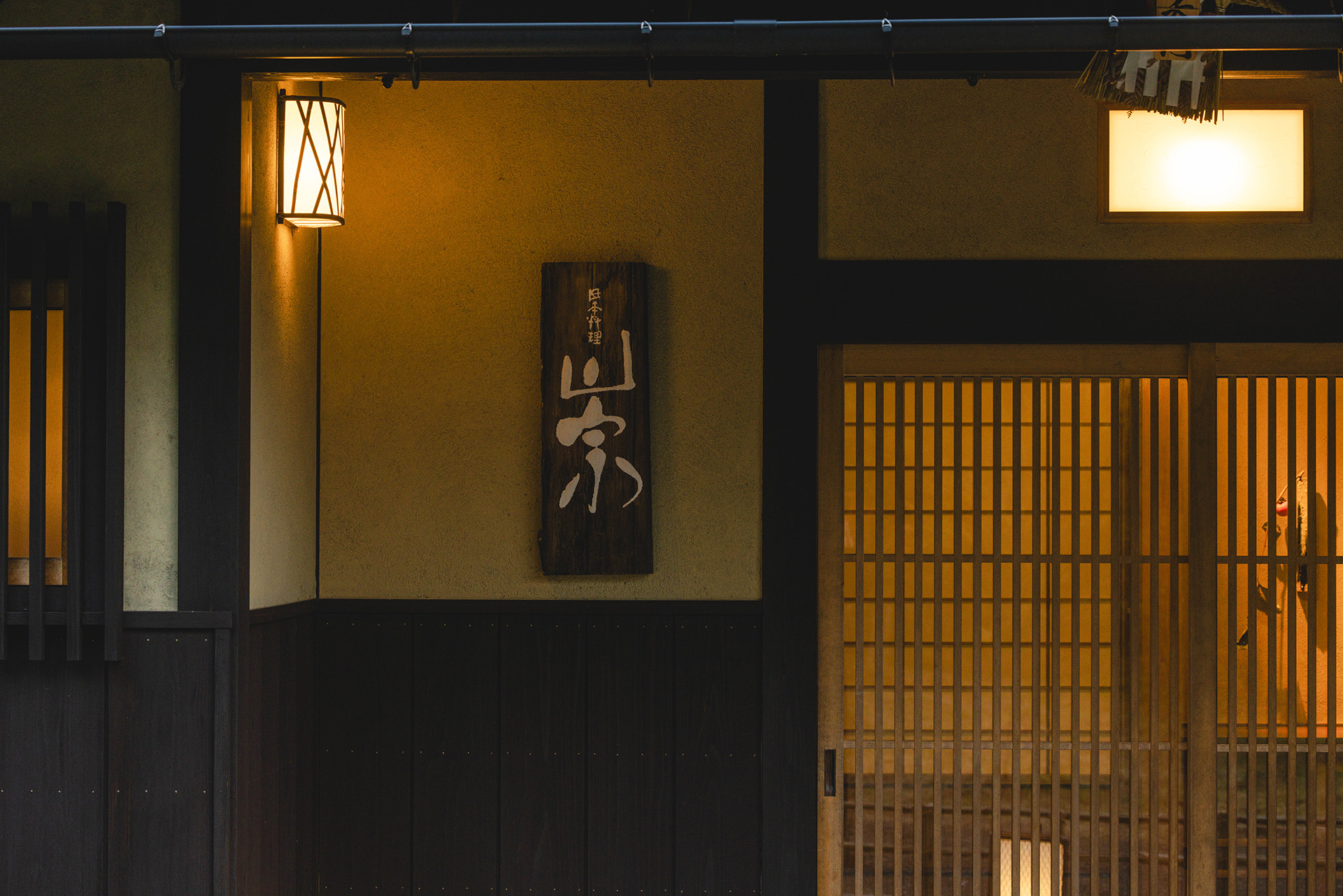
Hashisho Seiwa
Wakasa Lacquerware chopsticks, which account for more than 80% of lacquered chopsticks produced in Japan, are crafts made by traditional craft techniques continuing from the Edo period. They are made by a unique technique of carefully polishing and grinding down layers of lacquer applied more than a dozen times. At Hashisho Seiwa, you can choose your favorite pair from about 400 types including such Wakasa Lacquerware chopsticks.
Details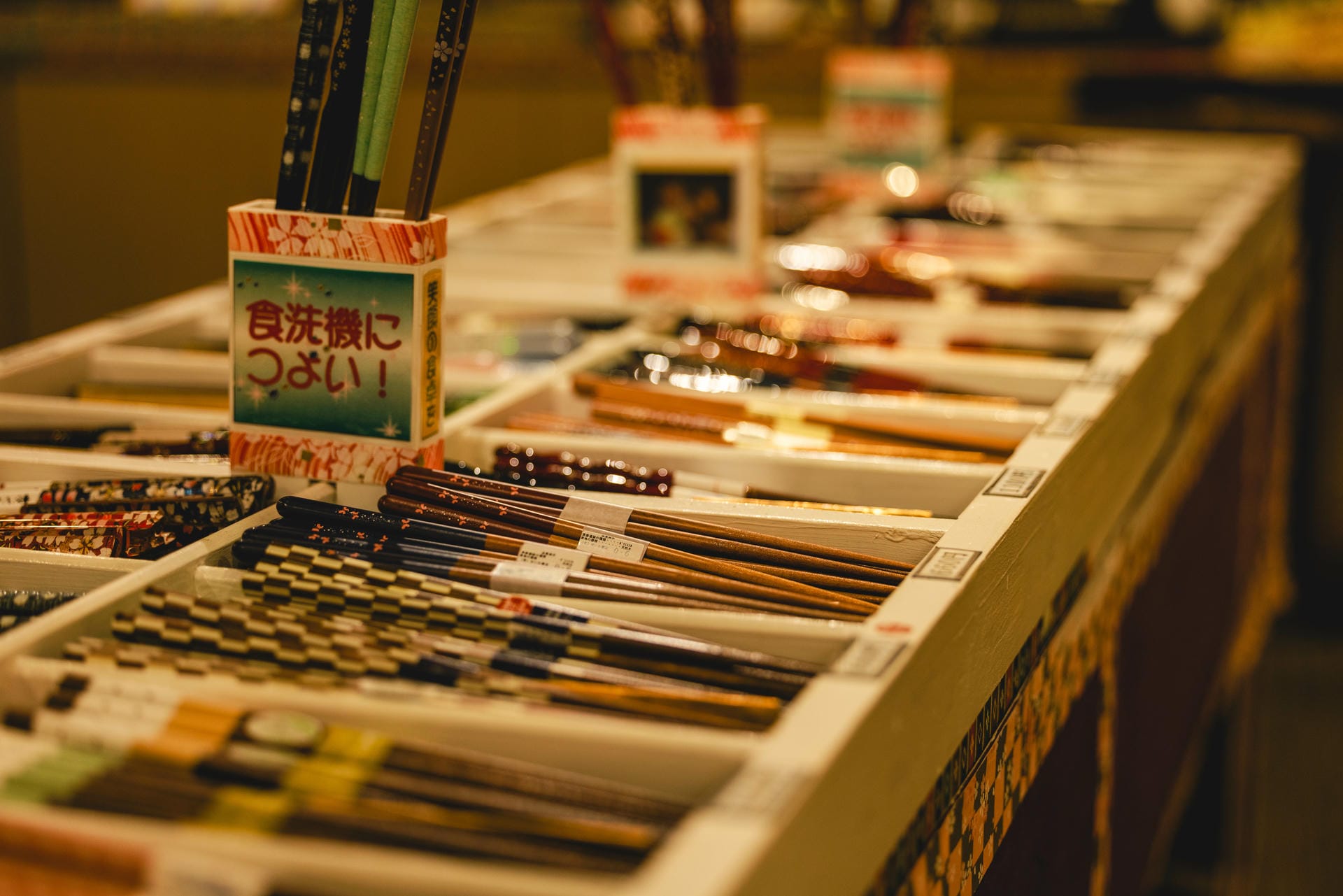
Myotsuji Temple
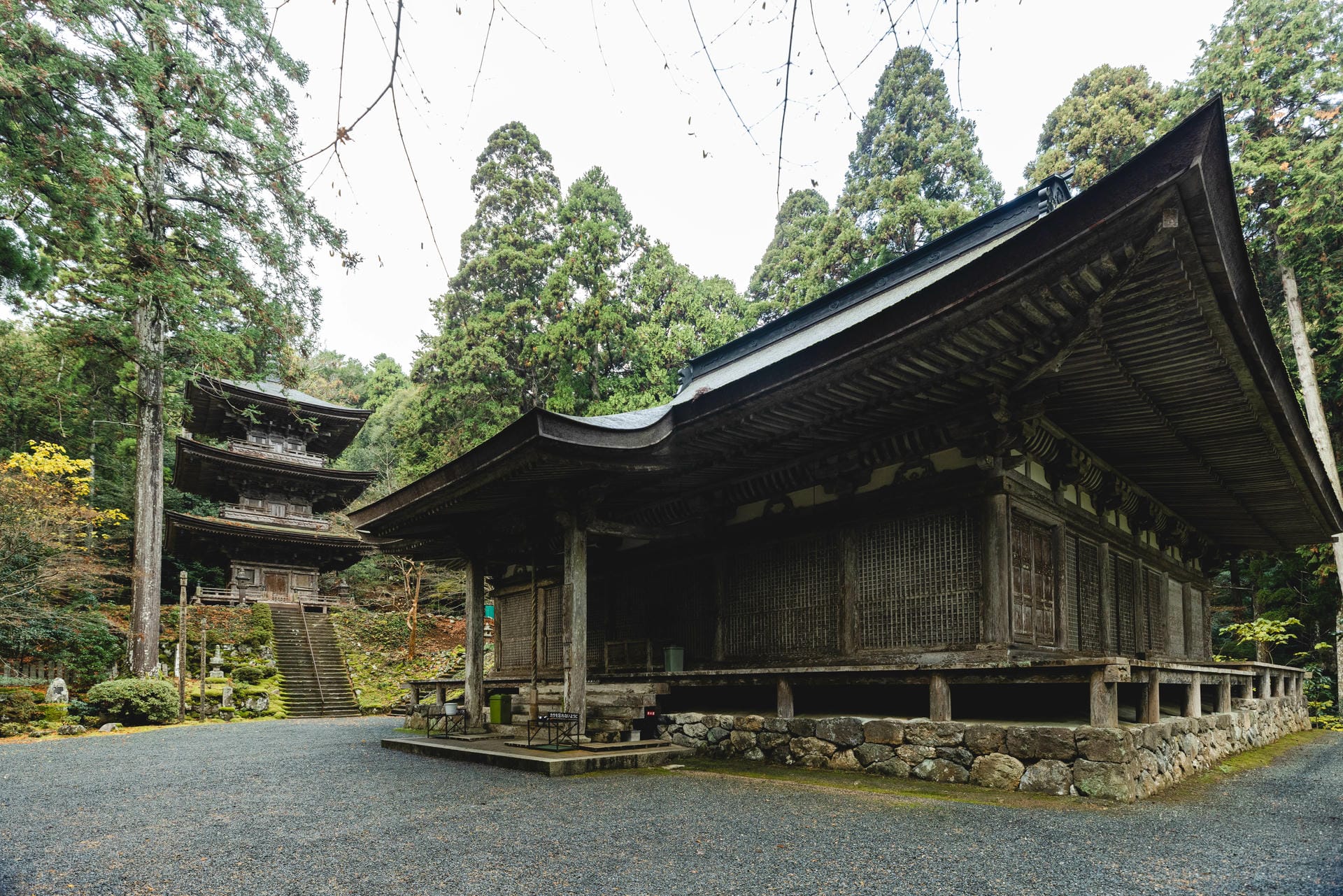
Located in the mountainous area called Yukoku in the depths of the Matsunaga district in the southeastern part of Obama City, Myotsuji Temple is a historic temple said to have been founded by Sakanoue no Tamuramaro. The Main Hall and Three-story Pagoda, which are National Treasures, convey the appearance of a medieval Esoteric Buddhist temple to the present. Inside the main hall, three Buddhist statues designated as Important Cultural Properties of Japan, including the principal image Yakushi Nyorai statue, are enshrined.
Details